Writing Comics: A Versatile Display Font for Creatives
A First Impression of Writing Comics
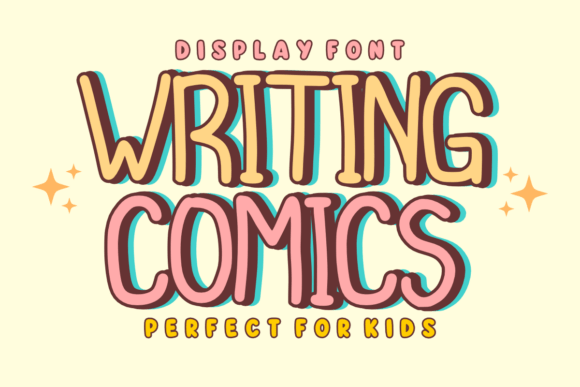
When I first laid eyes on Writing Comics, it immediately struck me as a font with a strong, playful personality. The letters have a hand-drawn, slightly irregular quality that gives them a unique, organic feel. This typeface exudes a casual, friendly vibe, making it perfect for projects that need a touch of whimsy and creativity.
The Visual Personality of Writing Comics
Writing Comics has a distinct, almost comic-like appearance, which makes it stand out in a crowd. It's not just a font; it's a statement. The bold, chunky lines and the subtle imperfections in each letter give it a handcrafted, human touch. This visual personality is ideal for brands and designs that want to convey a sense of fun and approachability.
Real-World Performance and Versatility
In real-life work situations, Writing Comics shines in a variety of applications. Here’s how it performs:
- Logo Design: Perfect for creating memorable and eye-catching logos, especially for creative businesses, children's brands, or entertainment companies.
- Brand Identity: Adds a unique and playful element to brand identity, making it ideal for brands that want to stand out and be remembered.
- Packaging Design: Ideal for packaging that needs a fun, engaging look, such as snack foods, toys, or craft supplies.
- Product Labels: Works well for labels that need to grab attention, like craft beer, artisanal products, or specialty goods.
- Posters and Flyers: Great for event posters, concert flyers, and promotional materials where a bold, creative look is needed.
- Invitations: Perfect for invitations to parties, events, and celebrations, adding a lively and inviting touch.
- Merchandise: Excellent for t-shirts, mugs, and other merchandise, where a distinctive, playful font can make a big impact.
- Website Headers: Adds a dynamic and engaging element to website headers, making the site more visually appealing and memorable.
- Blog Graphics: Ideal for blog graphics, where a creative and engaging font can help draw readers in.
- Social Media Graphics: Perfect for social media posts, where a bold, eye-catching font can help content stand out in a crowded feed.
- Digital Ads: Effective in digital ads, where a unique and engaging font can help increase click-through rates.
- Printable Products: Great for printable designs, such as planners, calendars, and DIY projects, where a creative and fun font adds value.
- Canva Templates: Ideal for Canva templates, where a versatile and playful font can enhance the overall design.
- Cricut Projects: Perfect for Cricut projects, where a distinctive and easy-to-cut font can add a professional touch.
- Commercial Design Assets: Useful for commercial design assets, where a premium and creative font can add value to the final product.
Where to Use Writing Comics Carefully
While Writing Comics is highly versatile, it's important to use it judiciously. Here are some areas where it should be used carefully:
- Large Headlines: Perfect for large headlines, but ensure there is enough space around the text to avoid clutter.
- Short Phrases: Ideal for short, impactful phrases, but avoid using it for long blocks of text, as it can become overwhelming.
- Brand Marks: Great for brand marks, but test it in different sizes to ensure it remains legible and recognizable.
- Quotes: Excellent for quotes, where its playful and engaging style can add emphasis and interest.
- Decorative Accents: Use it for decorative accents, such as titles or section headings, but balance it with more neutral fonts for readability.
- Premium Packaging: Ideal for premium packaging, but ensure it aligns with the overall brand aesthetic and message.
- Social Posts: Perfect for social posts, but keep the text short and to the point to maintain engagement.
- Supporting Text: Use it sparingly for supporting text, and pair it with a more readable font for longer passages.
Practical Designer Notes on Writing Comics
Here are some practical notes to consider when using Writing Comics:
- Test in Black and White: Before incorporating Writing Comics into your design, test it in black and white to ensure it works well without color.
- Check Small-Size Readability: While Writing Comics is great for large headlines, check its readability at smaller sizes to ensure it remains legible.
- Try on Real Mockups: Test Writing Comics on real mockups to see how it looks in context and make any necessary adjustments.
- Compare Uppercase and Lowercase: Compare uppercase and lowercase versions to see which works best for your specific project.
- Review Spacing: Adjust the spacing (kerning) if needed, as the natural spacing of Writing Comics may not always be optimal for every layout.
- Test Beside Other Fonts: Try Writing Comics beside serif, sans serif, script, and handwritten fonts to find the best pairing for your design.
- Confirm Commercial Licensing: Always confirm the commercial licensing before using Writing Comics for client or business projects to avoid any legal issues.
Impact on Readability, Hierarchy, and Brand Consistency
Writing Comics can significantly impact the readability, hierarchy, and brand consistency of your designs. Its bold and playful nature makes it an excellent choice for creating a strong visual hierarchy, drawing the viewer's eye to key elements. However, it's important to balance it with more readable fonts for body text to maintain overall readability and professionalism.
For brand consistency, Writing Comics can be a powerful tool, but it should be used thoughtfully. It’s best suited for brands that embrace a creative, playful, and modern aesthetic. When used consistently across various touchpoints, from logos to packaging, it can help build a strong and recognizable brand identity.
Final Thoughts on Writing Comics
Writing Comics is a premium display font that brings a unique and playful touch to any design. Its versatility and strong visual personality make it a valuable addition to any designer's toolkit. Whether you're working on a logo, packaging, or social media graphics, Writing Comics can add a creative and engaging element to your projects. Just remember to use it judiciously and test it thoroughly to ensure it meets the needs of your specific design.